

Why Die Casting Is Essential for EV Components
Electric vehicles are changing the way cars are built. Every part of an EV has a job to do, and that job is often harder than it looks. The battery must stay cool. The frame must stay light. The motor must stay protected. One manufacturing process helps solve all of these problems at once: die casting.
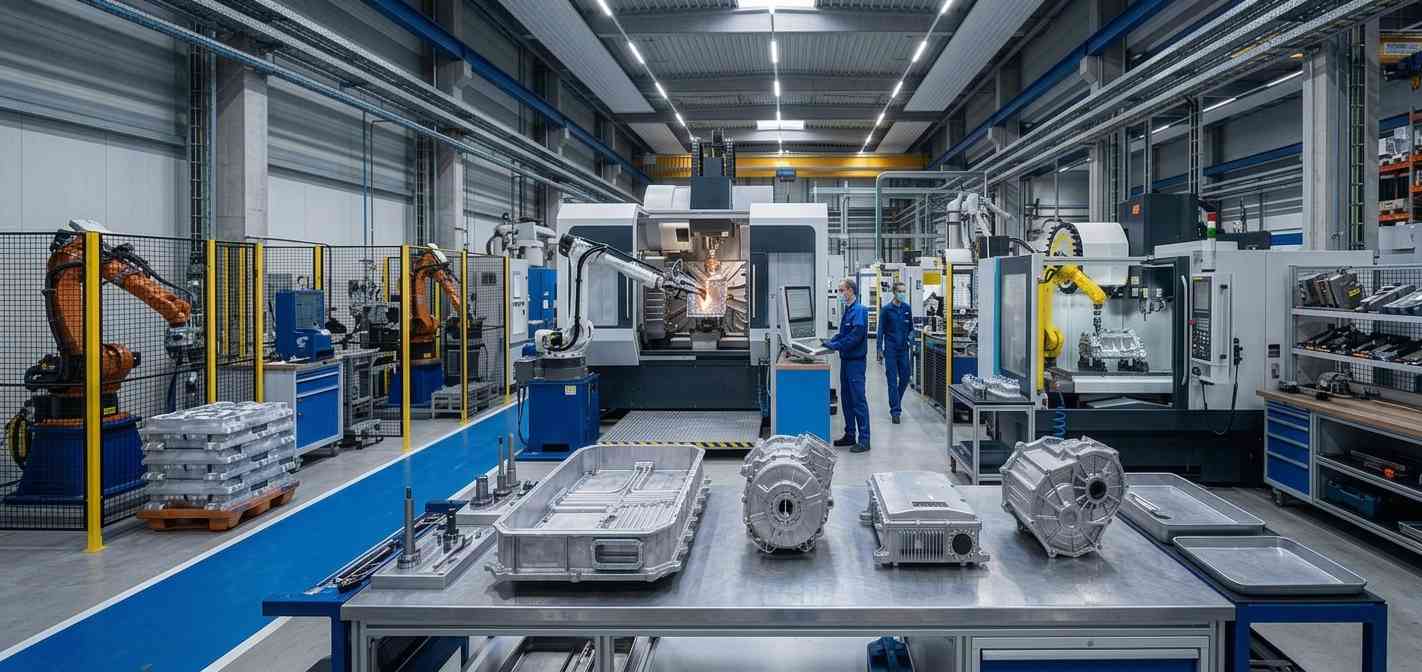
Die casting for EV components has become a key part of modern car making. It helps automakers build parts that are strong, light, and precise. In this blog, we'll look at why die casting matters so much for EVs, which parts use it, and why aluminum has become the top choice for electric vehicle castings.
Importance of Die Casting in EV Components
Electric vehicles are not built the same way as gas-powered cars. They carry heavy battery packs. They use electric motors instead of engines. And they need to manage heat in very different ways. This means EV parts must be designed with new goals in mind: less weight, more strength, and better heat control.
Die casting helps meet all of these goals. It is a process where molten metal is injected into a mold under high pressure. The metal cools fast and takes the shape of the mold. This creates strong parts with smooth surfaces and tight accuracy. Most parts come out ready to use, with little extra work needed.
This process matters even more today because of a newer method called gigacasting. Instead of joining many small metal pieces together, manufacturers can now cast one large part in a single piece. A car's entire underbody, for example, can be made as one solid casting instead of dozens of welded parts.
This shift is a big reason why electric vehicle castings are now seen as a core part of EV design, not just a manufacturing detail. Fewer parts mean fewer weak points. Fewer welds mean fewer chances for failure. And a lighter structure means better range for the driver.
Common EV Components Manufactured Using Die Casting
Die casting is used in many parts of an electric vehicle. Some of the most common parts include:
| Component | Primary Function | Why Die Casting Is Suitable |
|---|---|---|
| Battery Enclosure (Tray) | Protects and supports the battery pack. | Lightweight, strong, and supports thermal management. |
| Motor Housing | Encloses and supports the electric motor. | High precision with excellent heat dissipation. |
| Inverter & Converter Housings | Protects power electronics. | Provides effective heat dissipation and EMI shielding. |
| Structural Components | Supports the vehicle structure. | Reduces weight and improves rigidity. |
| Gearbox Housing | Houses the EV gearbox. | Offers strength, accuracy, and durability. |
| ECU Housing | Protects electronic control units. | Lightweight with reliable thermal and EMI protection. |
Each of these components shows how deeply die casting for EV components is built into the vehicle, not just as one part, but as a system of parts working together.
Benefits of Die Casting in EV Manufacturing
Die casting offers several benefits that make it a smart choice for EV production. Here are the biggest ones.
1. Lighter Vehicles, Better Range
Weight is one of the biggest challenges in EV design. Batteries are heavy, so every other part needs to be as light as possible.
Die-cast parts, especially those made from aluminum, are much lighter than steel parts. This weight savings adds up across the whole vehicle and helps improve driving range.
2. Strong and Safe Parts
Even though die-cast parts are light, they are also strong. The process allows engineers to add internal ribs and support structures that boost strength without adding much weight.
This is especially useful for parts that protect the battery or support the vehicle frame during a crash.
3. Better Heat Management
Heat is a constant challenge in EVs. Batteries and motors both produce heat during use, and too much heat can damage parts or reduce performance.
Die-cast aluminum is good at moving heat away from sensitive components. Some parts, like cooling plates, are even designed with built-in channels to help heat escape faster.
4. Fewer Parts, Simpler Assembly
One of the most valuable benefits of die casting, especially large-scale casting, is part reduction. Instead of joining 60 or more small parts with welds and bolts, manufacturers can cast one large piece. This means:
- Less assembly time
- Lower labor costs
- Fewer weak points from welds and joints
- Faster production overall
5. Better Precision and Consistency
Die casting produces parts with tight tolerances. This means each part looks and fits the same way, every single time. For EV manufacturers building thousands of vehicles, this level of consistency is critical for quality and safety.
Together, these benefits explain why die casting for EV components is not just a manufacturing choice, but a smart engineering strategy.
Why Aluminum Is the Preferred Material for EV Die Casting
Not all metals work well for EV castings. Aluminum has become the top choice for most electric vehicle castings, and there are clear reasons why.
Lightweight Strength
Aluminum offers a strong balance between weight and strength. It is much lighter than steel but still strong enough to handle structural loads, crash forces, and daily wear.
Good Heat Conductivity
Aluminum moves heat well. This makes it ideal for parts like motor housings, inverter casings, and battery cooling components, where managing heat is a top priority.
Corrosion Resistance
Aluminum naturally resists rust and corrosion better than many other metals. This helps EV parts last longer, especially in areas exposed to moisture or road salt.
Great Castability
Aluminum flows well when melted, which makes it easier to cast into large, thin-walled, and complex shapes. This is especially important for gigacasting, where a single part may replace dozens of smaller components.
Cost Efficiency at Scale
While aluminum costs more than steel per pound, the savings from part reduction, lighter shipping, and simpler assembly often make it more cost-effective in the long run, especially for large-scale EV production.
Magnesium is sometimes used for extremely lightweight parts, but it costs more and requires special handling. Because of this, aluminum remains the most trusted and widely used material for die casting for EV components.
Conclusion
Die casting may not be the most talked-about part of electric vehicle manufacturing, but it plays a major role behind the scenes. From battery trays to motor housings to full underbody structures, die casting helps automakers build EVs that are lighter, stronger, and easier to produce.
As EV demand continues to grow, the need for smart, efficient manufacturing will only increase. Electric vehicle castings offer a proven way to meet that demand without sacrificing safety or performance. And with aluminum leading the way as the material of choice, die casting for EV components is likely to remain a core part of EV design for years to come.
For automakers and suppliers alike, understanding the value of die casting isn't just useful, it's becoming essential for staying competitive in the fast-moving world of electric vehicles.
FAQs
It is crucial for electric vehicles because it enables weight reduction by replacing heavy steel with strong aluminum or magnesium alloys. It increases efficiency and boosts battery range.
Die casting can produce various components like Battery Enclosures (Trays), Motor Housings, Power Electronics Housings, Drivetrain/Gearbox Cases, and more.
Aluminum is widely used in EV die casting because it is lightweight, strong, corrosion-resistant, and offers excellent thermal conductivity. These properties help improve battery efficiency, vehicle performance, and manufacturing efficiency.
Die casting helps EV manufacturers produce lightweight, high-strength components with fewer parts, faster production, lower assembly costs, improved structural integrity, and better crash performance.
Die casting improves electric vehicle performance by reducing weight, integrating complex components, and improving thermal management. These advantages help increase driving range, reliability, and overall vehicle efficiency.