

Most Common Metals Used in Die Casting
Die casting is a popular manufacturing method used to produce durable, precise and quality metal components in large volumes. The success of this process depends on the metal used, as each metal provides unique properties such as corrosion resistance, weight, strength, conductivity and cost effectiveness. Different industries including electronics, automotive, aerospace, construction, and consumer goods choose the right metals used in die casting based on their product requirements.
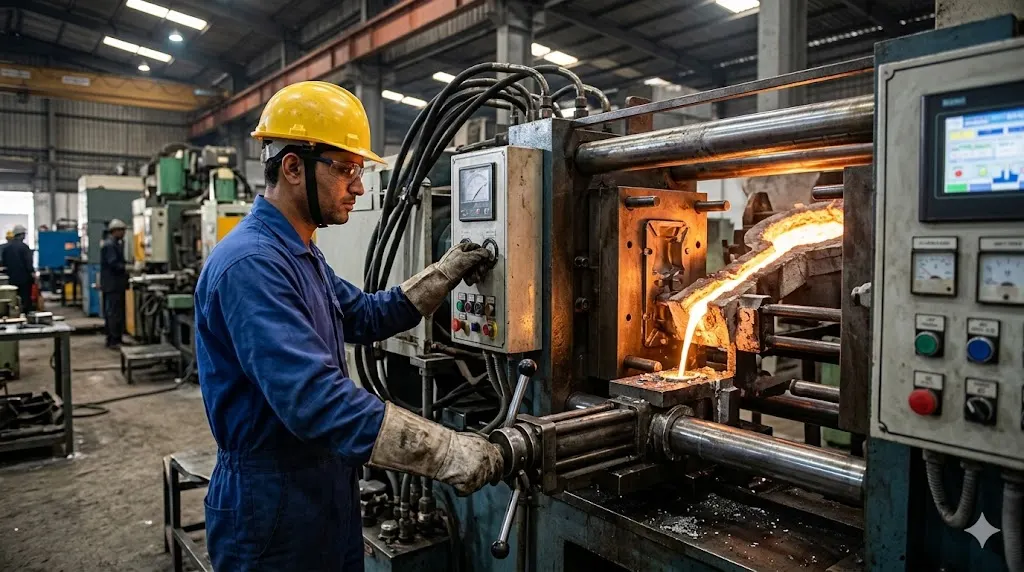
The common metals used in die casting are aluminium, zinc, magnesium, copper, and lead/tin alloys. These metals are widely used because they melt easily, flow smoothly into molds, and produce reliable castings with high dimensional accuracy. You must choose the right metals during manufacturing and ensure performance and production efficiency in your industry.
Importance of Metal Selection in Die Casting
Metal selection plays a crucial role in evaluating the success of die casting projects. The wrong material leads to poor surface quality, weak products, reduced durability and unnecessary manufacturing costs. Manufacturers must choose the right metal to achieve:
- Proper weight balance
- Desired mechanical strength
- Better thermal conductivity
- High corrosion resistance
- Longer product lifespan
Different applications require different metals. For example, the electrical industries choose copper alloys or zinc to produce parts with precision and conductivity. The automotive industry uses aluminium material to produce lightweight and durable components.
What are the most common metals used in die casting?
There are several metals used in die casting. Each metal has unique characteristics and is suitable for specific industrial applications.
Aluminium
It is a popular material in the die casting industry. It is easy to work with and gives good results. Its lightweight nature makes it suitable to use in high operating temperatures, and offers a good strength-to-weight ratio and corrosion resistance.
Magnesium
Magnesium is the lightest material and is used in die casting parts because of its low weight and durability. It is a recyclable material and offers benefits such as lightweight properties, good strength, and thermal performance.
Zinc
Zinc is another common metal used in die casting. It is used in telecommunications and the electronics industry. Its features include excellent corrosion resistance, good impact strength, and a smooth surface finish, making it suitable for plating.
Brass
Brass is an alloy made with copper and zinc. It is a suitable metal with spark-resistant properties and conducts electricity. It provides various finishing options like mechanical finishing and chrome plating with polishing and buffing.
Factors That Affect Metal Selection
It is important to select the right metal for die casting. To find the right metal, you must evaluate the various important factors. Each factor affects the manufacturing efficiency, lifespan and performance of final parts. Here are the factors that affect metal selection:
Strength Requirements
Metals that have enough strength to handle the mechanical load and stress. Stronger metals are used in industries to produce the heavy duty and structural components.
Weight Considerations
Lightweight metals like aluminium and magnesium are preferred when reducing product weight is a priority. This is especially useful in the automotive and aerospace industries, enhancing efficiency.
Corrosion Resistance
Some industries require metals that resist moisture, rust, and chemical exposure over time. In this case, corrosion-resistant materials are used that improve durability in harsh outdoor environments.
Melting Behavior
Choosing the metals with ideal flow and melting characteristics is recommended to ensure smooth mold filling during casting. Good melting behavior reduces defects and improves production consistency.
Cost Efficiency
The cost of casting material affects the production budget and product pricing. Manufacturers balance performance needs with affordability while choosing metals for die casting.
Product Design Complexity
Complex shapes require metals that flow easily into intricate mold cavities. Metals with better fluidity help produce detailed, precise, and accurate cast components.
Applications Based on Metal Selection
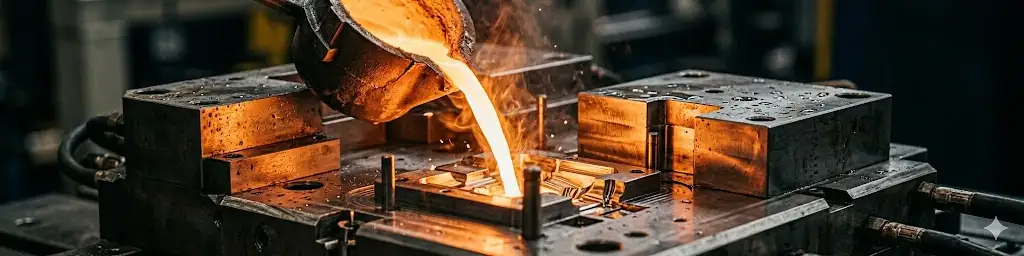
Different industries choose die-casting metals on the basis of specific performance, durability, and functional needs of their products. Each metal used in die casting has unique benefits and becomes suitable for specific applications in manufacturing sectors.
| Industry | Common Metals Used | Applications | Key features |
|---|---|---|---|
| Automotive Industry | Aluminium, Magnesium | Transmission housings, brackets and engine parts | Lightweight, strong, fuel-efficient |
| Electrical Industry | Zinc, Copper Alloys | Switch housings, Connectors, enclosures | Conductivity and High precision |
| Industrial Machinery | Copper alloys, Aluminium | Machine parts, Pump housings, valves | Durability and wear resistance |
| Consumer Products | Zinc, Aluminium | Furniture fittings, tools, Appliance parts | Good strength, finish and cost efficiency |
| Aerospace Sector | Aluminium, Magnesium | Lightweight frames and Structural parts | High strength-to-weight ratio |
How Metal Properties Affect Final Product Quality
The metal properties used in die casting impact the quality, reliability and performance of finished parts. You must choose the right metal with the right properties to ensure that the products meet the industrial standards and perform in their application effectively.
Surface Finish
The common metals used in die casting create cleaner and smoother surfaces after molding. It reduces the need for additional finishing processes and improves product appearance.
Dimensional Accuracy
Stable metals maintain their shape better during cooling and solidification. It produces the precise components with tight tolerances and consistent measurements.
Durability
Wear-resistant and strong metals extend the lifespan of die-cast parts. Durable materials perform well till repeated use and even in harsh conditions.
Thermal Performance
Some metals can endure high temperatures without losing strength or shape. It makes it suitable for applications exposed to heat, like engine components.
Corrosion Resistance
Corrosion-resistant metals protect components from rust and environmental damage. It improves long-term reliability, especially in outdoor or moisture-prone settings.
Mechanical Strength
Metals with higher tensile strength can better handle pressure, load, and impact. This ensures safe and reliable performance in demanding industrial applications.
Role of Manufacturers in Metal Selection
Experienced manufacturers play a vital role in helping customers find the most suitable material. It evaluates the following factors:
- Load-bearing requirements
- Product design complexity
- Environmental exposure
- Cost targets
- Industry compliance standards
Manufacturers should understand the most common metals used in die casting and choose the right metal based on casting volume, mold design, and finishing needs. Their expertise helps customers to select materials that balance durability, performance and costs. A knowledgeable manufacturer reduces risks, enhances efficiency, and ensures high-quality production outcomes.
Starting A Die Casting Project With Uni-Tech Casting
The die casting process is widely used in the metal fabrication industry. It is a proven method that enables streamlined, high-quality production. This cost-efficient process helps manufacturers to create custom metal parts and components with complex shapes and internal features.
If you want to buy the die casting components, then you can contact Uni-Tech Casting. Speak with our experienced staff to get a free quote for your project and get the exact components for your needs.
Conclusion
Choosing the right metal is not just a decision-it directly impacts product quality, performance, and long-term reliability. Understanding the right metals in die casting is important to produce durable, high-performing and efficient parts. Aluminium, zinc, magnesium, copper alloys, and specialty metals each metal has unique benefits on the basis of application.
Using the right material affects strength, cost, precision, product lifespan, corrosion resistance, and manufacturing speed. Proper material selection can result in better product quality, smoother production, and reliable industrial performance. As industries evolve, selecting the appropriate die-casting metal remains a key step in modern manufacturing success.
FAQs
The common metals used in die casting are zinc, aluminium, magnesium, and copper. Zinc is the easiest metal to cast and is used for small and medium-sized components. Aluminium is the widely used metal for die casting because of its good dimensional stability, high strength-to-weight ratio, and excellent corrosion resistance.
The top 3 strong metals in die casting are aluminium alloys, zinc alloys, and copper alloys. It is the strongest metal because of its durability, excellent strength, wear resistance and reliable industrial performance.
Metal selection is important because it affects the durability, product strength, corrosion resistance, production efficiency, surface quality and manufacturing costs. It is suggested to choose the right metal for different industrial applications and uses.
Die casting material choice is based on weight limitations, strength requirements, corrosion resistance, design complexity, melting behavior, functional needs and production costs of the component.
Automotive, aerospace, electronics, industrial machinery, and consumer goods are industries where die casting is used. These industries demand for the precise, lightweight, durable and high performance component and prefer die casting.